International Authors will be presenting their Experience of Games and Learning
List of Authors (more to be added shortly):Dr Jose Graca, IADE Universidade Europeia
Dr. Ahu Yolac, Lawrence Technological University
Dr. Bryan Duggan, TU Dublin
Dr. David Whittinghill, Purdue University
Dr. Pedro Rito, Instituto Politecnico de Viseu, Portugal
Dr. Daniel Griffin, Trinity College Dublin, the University of Dublin
Dr. Kgopotso Magoro, University of the Witwatersrand
Dr. Jose Gonzalez-Belmonte, Lawrence Technological University
Dr. Julia Kiernan, Lawrence Technological University
Dr. Samuel Piiroinen, Humak University of Applied Sciences
Dr. Kimmo Pakarinen, Savonia University of Applied Sciences
Dr. Emily Johnson, University of Central Florida
Dr. William Dunkel, Korea University
Dr. Andrew Turton, University of Sunderland
Dr. Ceri Pimblett, University of Chester
Mr. Clark Aldrich, Clark Aldrich LLC
Mr. Ed Kearton-Gee,
Mr. Florian Smidt, Mediadesign Hochschule
Mr. Elijah Gill, Purdue University
Mrs. Kinga Lovell, University of Sunderland
Ms. Yingzi Kong, University of Central Florida
Ms. Natalie Doyle-Bradley, Chanel College
Prof. Mariann Hardey, Durham University Business School
Prof. Jake Byrne, Trinity College Dublin, the University of Dublin

Mr. Clark Aldrich, Clark Aldrich LLC
Clark Aldrich is a pioneering expert in experiential learning, serious games, and leadership development. Over the past three decades, he has helped shape major education innovations including e-learning, simulation-based learning, microschools, and action-based learning scenarios. Aldrich founded Gartner’s e-learning coverage, co-founded the Serious Play Conference, and his patent and award winning work spans over more than 100 educational simulations and serious games. His revolutionary Short Sims pedagogy bridges the knowing-doing gap for clients like the United Nations and the Gates Foundation. He is the award-winning author of six books, including Learning by Doing and Unschooling Rules. His current work focuses on leadership, Hero-driven communities, and Socratic Cards, a breakthrough approach in real-world learning.
Clark’s presentation (s): Socratic Cards: A breakthrough in real-world learningBack to Top

Prof. Jake Byrne, Trinity College Dublin, the University of Dublin
Prof. Dr. Jake Rowan Byrne is CHARM-EU TCD Director and an Assistant Professor in Contemporary Teaching and Learning and Computing at Trinity College Dublin. He is also Coordinator of the Postgraduate Certificate in 21st Century Teaching and Learning. His work focuses on technology-enhanced learning, computer science education, and transdisciplinary approaches to teaching and learning. He has extensive experience using the Bridge21 learning model to support teamwork, programming, problem solving, and digital media projects. His research interests include learning technologies, teamwork, and the development of 21st century skills in education.
Jake’s presentation (s): Collaborative Cognition in Hybrid Learning: Scaffolding Transdisciplinary Team SynthesisBack to Top
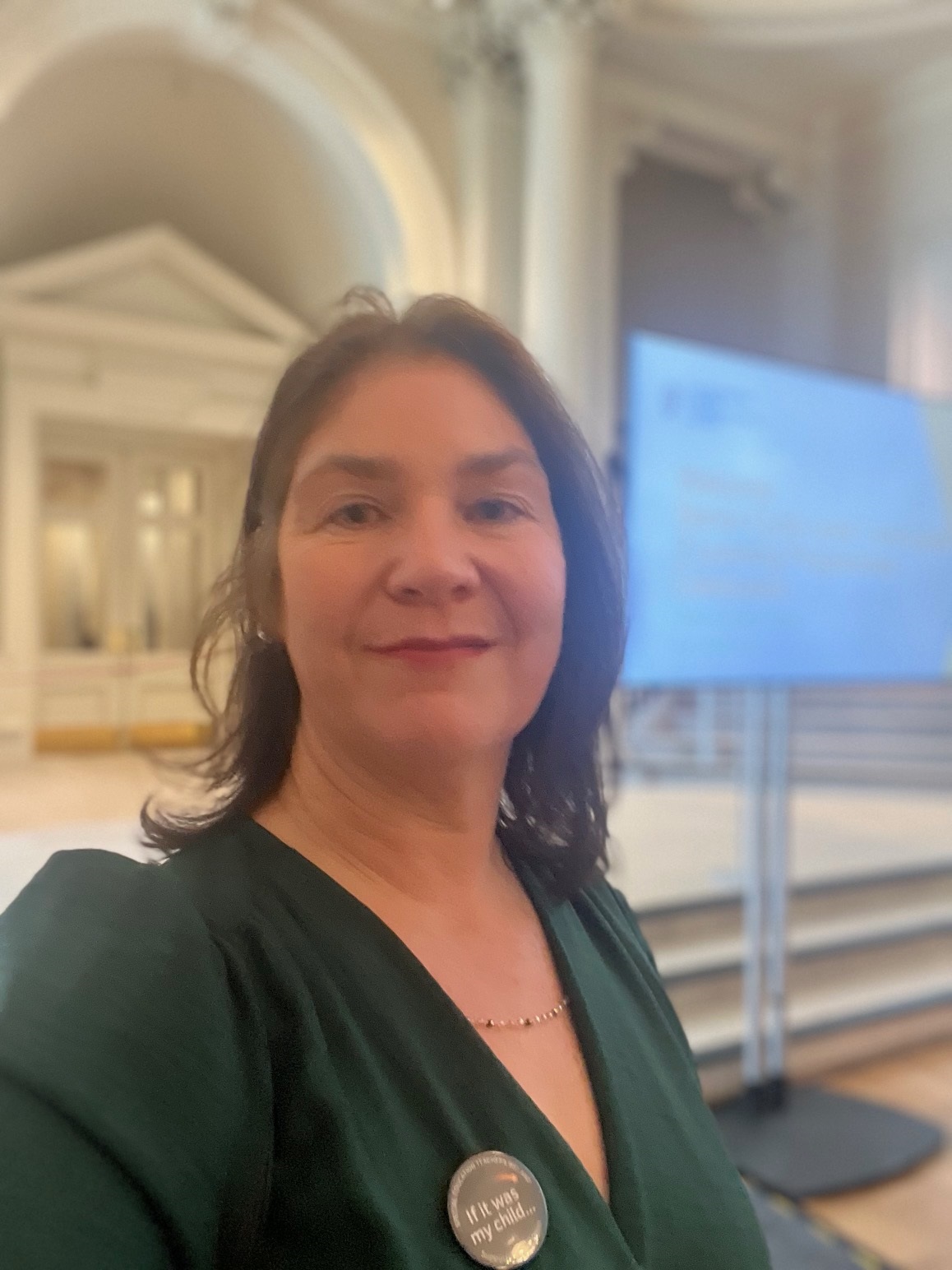
Ms. Natalie Doyle-Bradley, Chanel College
Natalie Doyle Bradley is a Special Education Teacher and Year Head at Chanel College, Dublin. She holds postgraduate qualifications in ICT for Education and 21st Century Teaching and Learning, and has a strong interest in inclusive practice and student engagement.
Natalie has delivered workshops and presentations on the use of AI in education to a wide range of teachers, focusing on practical approaches that support learning and reduce workload. She became involved with AI at an early stage, recognising its potential to quickly bring creative teaching ideas to life and to support more personalised learning experiences.
Her work centres on developing simple, classroom-ready AI tools that promote independence and participation, particularly for students with additional educational needs.
Back to Top

Dr. Bryan Duggan, TU Dublin
Bryan Duggan teaches Creative Coding, eXtended Reality and Autonomous Agents @ TU Dublin. They have been teaching game development for over 20 years and have been teaching with Godot since 2023. Bryan is the founder of Godó Gaedhleach – The Irish Godot Users Group with over 150 members from across Ireland and a Board member of Gamecraft Foundation who has been running game jams for 15 years.
Bryan’s presentation (s): Create Holograms With GodotBack to Top

Dr. William Dunkel, Korea University
Dr. William Dunkel is a recent graduate from the University of California, Irvine with a PhD in Informatics. He also holds an MA in Korean Studies from Korea University. His research focuses on esports, regional game studies, serious games, post-colonial game studies, and Korean digital media. He has published in journals including Analog Game Studies, Critical Studies in Media Communication, Games & Culture, and a book chapter “Double Ventriloquism and Aegyo in Overwatch” in Media (as) Ventriloquism published by Oxford University Press. He is a Pony Chung Postdoctoral Scholar at the Research Institute of Korean Studies conducting field work in South Korea on the gender in the Korean esports industry. He also enjoys designing games, cycling, and sailing in his free time.
William’s presentation (s): Playing Across Contexts: Reflections on Game-Based Learning at Three Levels of University EducationBack to Top

Mr. Elijah Gill, Purdue University
Elijah Gill is a first-year master’s student in Computer Graphics Technology at the School of Applied & Creative Computing at Purdue University. His work focuses on game development, artificial intelligence in computer graphics, and software engineering, with a focus on interactive and immersive media. Elijah holds Bachelor of Science degrees in Game Development and Web Development, with minors in English and Creative Writing from Purdue University. Elijah’s current interests include gamification, game development, narrative design, and natural language understanding. He has built a strong foundation in game development and programming through academic coursework and applied learning. He has also mentored undergraduate game development students on senior capstone project teams by focusing on the best industry practices. Through ongoing research, collaboration, and project-based work, he continues to deepen his expertise in game and software development.
Elijah’s presentation (s): Visual Scripting Novel Engine: Simplifying Development of Dynamic Narratives & DialogueBack to Top
Dr. Jose Gonzalez-Belmonte, Lawrence Technological University
Jose Gonzalez-Belmonte, D.Eng (Lawrence Technological University), is a former software developer for Elm Park Labs, experienced in developing augmented and VR applications using Unity. He is an alumnus of Lawrence Tech’s Computer Science and Game Development program with a master’s degree in Computer Science and Intelligent Systems, and an alumnus of University of Michigan-Dearborn with a Doctorate in Engineering. Gonzalez-Belmonte has previously collaborated as a programmer for the games “When the Clock Strikes Midnight”, “Murder the Reaper”, and “Aerial_Knight’s Never Yield”. He is the program coordinator for the Game Software Development concentration of Computer Science at Lawrence Technological University.
Jose’s presentation (s):- Coding for Care: Teaching Environmental Justice and Indigenous Ways of Knowing through Game-Based Learning
- Land of the Three Fires: Teaching Environmental Systems Through Narrative-Driven Game Design
Back to Top

Dr Jose Graca, IADE Universidade Europeia
Jose Graça holds a degree in Game and Application Development and a Master’s degree in Creative Computing and Artificial Intelligence. His research focuses on applying technologies and methodologies traditionally used in game development to areas connected with art and performance. He also holds a postgraduate qualification in Game Design and teaches subjects related to game development and the creation of interactive multimedia applications across higher education and professional training programmes.
Jose’s presentation (s): {PhysiVerse – Leveraging Virtual Reality for Enhanced Physics EducationBack to Top

Dr. Daniel Griffin, Trinity College Dublin, the University of Dublin
Dr. Daniel Griffin is a Research Fellow at Trinity College Dublin. His work focuses on hybrid and technology-mediated learning, with particular emphasis on transdisciplinary teamwork, distributed cognition, and socio-technical design. His PhD research developed and evaluated a set of design heuristics to support novice transdisciplinary teams working in hybrid and extended reality (XR) environments, using a Design-Based Research approach grounded in Cultural-Historical Activity Theory. Daniel has worked extensively with the CHARM-EU Master’s in Global Challenges for Sustainability, where he oversees teaching and learning activities on the first semester of the MSc programme. His research interests include immersive and technology-enhanced learning, team cognition, and the design of collaborative systems exploring how collaborative tools can scaffold shared decision-making and meaning-making across diverse disciplinary perspectives.
Daniel’s presentation (s): Collaborative Cognition in Hybrid Learning: Scaffolding Transdisciplinary Team SynthesisBack to Top

Prof. Mariann Hardey, Durham University Business School
Professor Mariann Hardey is Professor of Business and Computing at Durham University Business School and Co-Director for Advanced Research Computing (ARC) at Durham University, where her work supports widening participation and accessibility in computing. A prolific researcher and writer, she has published on health technologies, women in tech, digital culture, and reputation management. Mariann has extensive senior leadership experience and a strong track record of fostering inclusion and diversity in STEM education. Her current research focuses on neurodiversity, cognitive sustainability, and inclusive design in digital learning environments, combining her expertise as a critical sociologist with her lived experience as a neurodivergent researcher. She is a passionate advocate for ensuring all learners reach their full potential.
Mariann’s presentation (s): Inclusive Design in Scenario-Based Interactive Workplace Learning: Managing Cognitive Load for Neurodivergent Adult LearnersBack to Top

Dr. Emily Johnson, University of Central Florida
Dr. Emily K. Johnson is an Associate Professor in the Department of English (Technical Communication and Digital Humanities), and core faculty in the Texts and Technology Ph.D. program. She is co-author of Critical Making in the Age of AI (with Anastasia Salter, Amherst, 2025) and Playful Pedagogy in the Pandemic: Pivoting to Games-Based Learning (with Anastasia Salter, Routledge 2022). Johnson served as Principal Investigator of a project funded by the U.S. Department of Education investigating the efficacy of five of her co-designed video games (computer and virtual reality) for language learning. Her work has been published in Communication Design Quarterly, Technical Communication Quarterly, Computers and Composition, Computers and Education, the Journal for Universal Computer Science, and more.
Emily’s presentation (s): Does Platform Matter? Immersion, Engagement, and Learning in Language Education GamesBack to Top

Mr. Ed Kearton-Gee,
Ed Kearton-Gee is an experienced Artist/Designer/Educator who has been drawing, making and designing for over 30 years both as a self-employed practitioner, working as integral part of a Design Team, and as a full-time teacher of Art and Design/Design Technology in several well-regarded outstanding schools across the UK. Most recently, he has been accepted for Doctoral Research looking into research gap around Adaptive Learning in Serious games, bringing together AI and ideas from game design to promote effective learning in schools. Currently focused on a self-developed program of study in Python learning to develop custom ML and Reinforcement Learning Agents as part of his ongoing research into adaptive learning.
Ed’s presentation (s): SYNCHRONICITY: a postmortemBack to Top

Dr. Julia Kiernan, Lawrence Technological University
Julia E. Kiernan, PhD (Lawrence Technological University), is an interdisciplinary teacher-researcher whose interests sit at the intersection of new media studies, disability studies, and inclusive education. She is co-editor of Writing STEAM: Composition, STEM, and a New Humanities (Routledge, 2022) and Adaptations of Mental and Cognitive Disability in Popular Media (Lexington Books, 2022); her work has appeared in MAI: Feminism & Visual Culture, Composition Forum, and Social Sciences and Humanities Open, among other venues. Her game studies scholarship includes work on rhetorical listening as feminist pedagogy, Indigenous futurisms and decolonial game design, and critical ADHD studies.
Julia’s presentation (s):- Coding for Care: Teaching Environmental Justice and Indigenous Ways of Knowing through Game-Based Learning
- Land of the Three Fires: Teaching Environmental Systems Through Narrative-Driven Game Design
Back to Top

Ms. Yingzi Kong, University of Central Florida
Yingzi (Kathryn) Kong is a Ph.D. candidate in the Texts and Technology program at the University of Central Florida. Her research examines game-based language learning and game localization, focusing on how video games and AI-driven technologies shape translation practices, second language acquisition, and immersive learning experiences. As a Graduate Research Associate at the Center for Humanities and Digital Research (CHDR), she contributes to interdisciplinary projects that integrate digital humanities methods with user-centered research. Her work has been presented at international venues including IEEE ProComm, the Immersive Learning Research Network (iLRN), EDULEARN, ACM SIGDOC, the Association for Educational Communications and Technology (AECT), and the Association for Computers and the Humanities (ACH).
Yingzi’s presentation (s): Does Platform Matter? Immersion, Engagement, and Learning in Language Education GamesBack to Top

Mrs. Kinga Lovell, University of Sunderland
Kinga Lovell is a Lecturer in Accounting and Finance at the University of Sunderland and Programme Leader for the BA (Hons) Accounting and Financial Management Top-Up programme. She is also an ACCA member with over 15 years of experience working in finance across both the public and private sectors. Her professional background shapes her teaching, where she focuses on making accounting more accessible, practical, and engaging for students. Kinga is currently undertaking a PhD exploring how gamification can be used to enhance student engagement and support the development of skills needed for careers in accounting and finance.She is particularly interested in using interactive and game-based approaches in the classroom to create more engaging learning experiences and better prepare students for the workplace.
Kinga’s presentation (s): Game On: From Numbers to Student Engagement – Gamifying Accounting EducationBack to Top
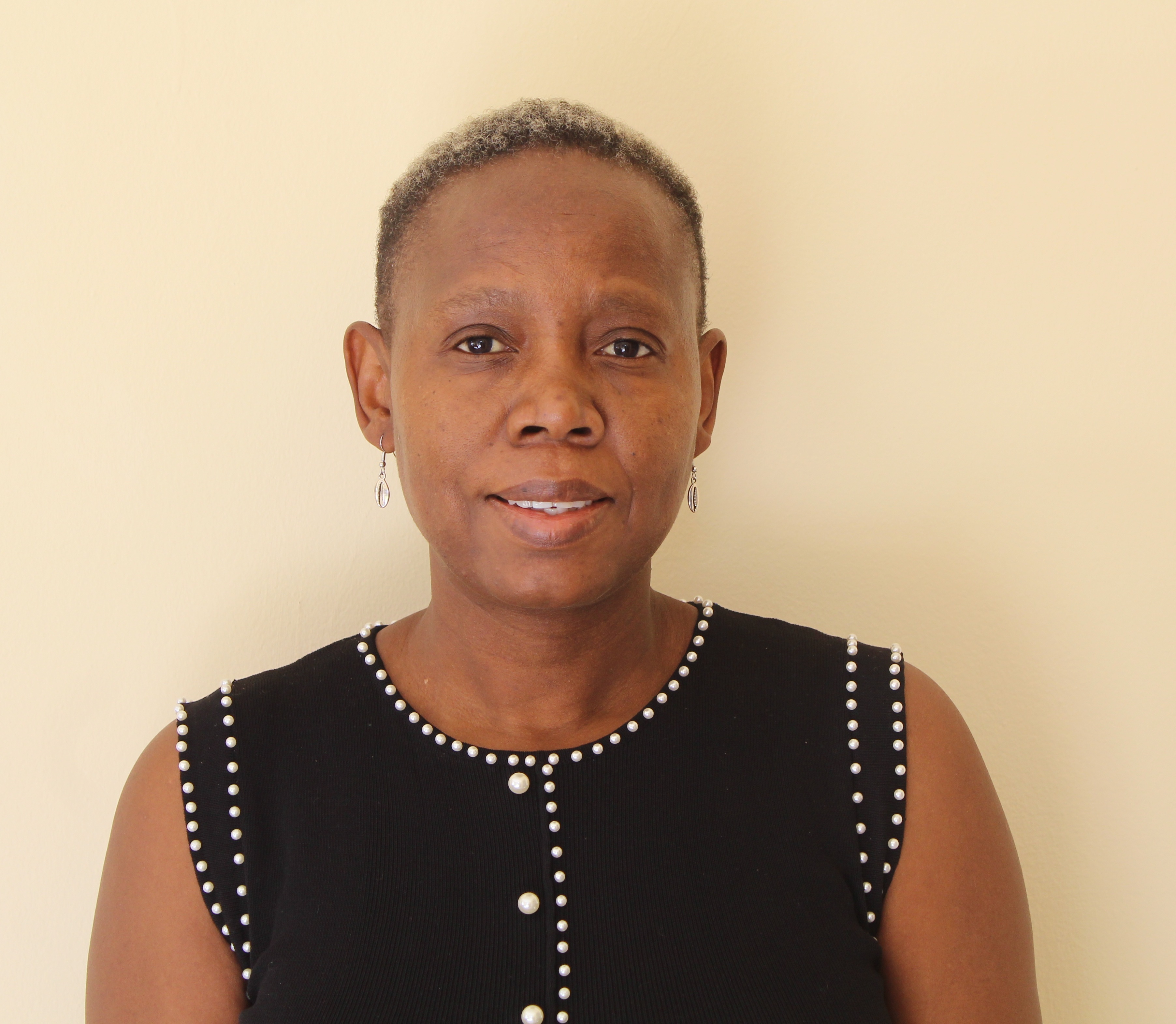
Dr. Kgopotso Magoro, University of the Witwatersrand
Dr Kgopotso Magoro is a Postdoctoral Researcher at the LINK Centre, University of the Witwatersrand, whose work examines the intersections of telecommunications policy, regulatory frameworks and contextual innovation. A member of the African Engineering and Technology Network (Afretec) research team, she contributes to pan African initiatives advancing digital transformation and inclusive knowledge economies. Alongside her academic work, she serves as Director of Learning and Innovation at South Africa’s National Treasury and is an Internet Society Mid Career Fellow for 2025. Her scholarship and community engagement centre African ways of being, knowing and doing as the basis for inclusive digital futures. Central to this approach is Mandhwane, an African pedagogy grounded in learning by doing. Through action research within the Mamaila Tribal Authority (South Africa) , she developed the Digital Mandhwane Ecosystem, an integrated model combining a community network and technology hub to address digital access and skills gaps in underserved areas. This work has reached more than 5,000 learners and community members. Her leadership reflects commitment to practice based innovation, public national value and grassroots transformation. In recognition of her impact and mentorship, she was named the 2026 Wired4Women Mentor of the Year, highlighting her role in nurturing the next generation of leaders.
Kgopotso’s presentation (s): A culturally grounded hybrid game for Online Safety and Computational ThinkingBack to Top

Dr. Kimmo Pakarinen, Savonia University of Applied Sciences
Kimmo Pakarinen is a Finnish RDI expert working with extended reality, gaming-related, and software development projects. He has hands-on experience in facilitating gaming events and gaming groups for young people and adults, as well as in software development. Kimmo is currently involved in the GameON and Wellbeing Metaverse projects as a project manager and as an expert in the M3dTech project. The GameON project focuses on the social strengthening and work-life skills of unemployed people, while the Wellbeing Metaverse project concentrates on helping companies utilize XR- and Metaverse-related technologies. The M3dTech project focuses on setting up virtual reality labs for use in healthcare education. While he is interested in the usability and innovations of XR technologies, he also has a keen interest in the gaming industry and in how games can be used as a tool for helping people of all ages.
Kimmo’s presentation (s): Social Strengthening by game-based activitiesBack to Top

Dr. Samuel Piiroinen, Humak University of Applied Sciences
Samuel Piiroinen is a Finnish project specialist working with game-based methods to support wellbeing, social participation, and employability. He has hands-on experience facilitating gaming groups for young people and adults who are unemployed or outside the workforce, using both digital and non-digital games as tools for social connection and motivation. Samuel is currently involved in ESF+–funded development work, including the GameON project, where he designs and implements practical group activities that combine gaming, reflection, and work life skills training. His day-to-day work includes group facilitation, individual guidance, method development, and collaboration with educational institutions and industry partners. He is particularly interested in how games can lower participation thresholds, strengthen peer interaction, and create safe spaces for learning and personal growth in non-formal settings.
Samuel’s presentation (s): Social Strengthening by game-based activitiesBack to Top

Dr. Ceri Pimblett, University of Chester
Dr. Ceri Pimblett is a Doctoral Researcher and Visiting Lecturer at the University of Chester, and an experienced Learning and Development practitioner with thirty years of professional experience across IT, consultancy, and organisational learning. Her doctoral research examines cognitive load, motivation, and engagement in asynchronous workplace e-learning, with a particular focus on inclusive design for neurodivergent adult learners. Ceri’s work bridges academic scholarship and practitioner expertise, informed by her own neurodivergent identity and her experience as a parent of six children, several of whom are also neurodivergent.
Ceri’s presentation (s): Inclusive Design in Scenario-Based Interactive Workplace Learning: Managing Cognitive Load for Neurodivergent Adult LearnersBack to Top

Dr. Pedro Rito, Instituto Politecnico de Viseu, Portugal
Pedro Rito holds a PhD in Information Technologies and Systems from the University of Minho and a Master’s degree in Multimedia in Education from the University of Aveiro. He has been teaching at the School of Education of the Polytechnic Institute of Viseu, where he works in creative programming, microcontrollers, and sensor-based applications. One of his main interests is the intersection between technology, creativity, and education, particularly through video games and interactive digital experiences. He also enjoys exploring how interfaces can be designed to improve communication and interaction between players and games, as well as how game development tools and applications can support learning processes. His recent research focuses especially on educational technologies, game design, and creative digital development, with an emphasis on meaningful and engaging learning experiences through interactive media.
Pedro’s presentation (s): From Code to Creativity: Designing Serious Games to Teach Programming in Arts and Multimedia EducationBack to Top

Mr. Florian Smidt, Mediadesign Hochschule
Florian Smidt is a game designer and recent graduate of the Mediadesign Hochschule, where he completed a Bachelor of Science in Game Design in 2026. During his studies, he worked with volumetric video technologies in AR and VR at Volucap as both an intern and working student. His academic interests focus on the intersection of games, sound, music, and care. His Bachelor thesis explored the role of sound and music in relation to Alzheimer’s disease, with a particular interest in how interactive and audiovisual experiences can support emotional engagement, memory, and wellbeing.
Florian’s presentation (s): How Sound and Music in Experiential Games Can Deepen Caregiver Understanding of Alzheimer’s DiseaseBack to Top

Dr. Andrew Turton, University of Sunderland
Andrew Turton is a senior lecturer in Accounting & Finance at the University of Sunderland with over fifteen years’ experience working within the higher education sector, and a current member of CIMA. Andrew is currently the programme leader for the BA (Hons) Accounting and Finance programme and has module leadership and teaching responsibilities for various accounting and finance modules covered at undergraduate level. He has a keen passion and enthusiasm for analysing, investigating, and researching how both game-based and simulation-based learning enhances student motivation, experience, and learner engagement within the classroom environment.
Andrew’s presentation (s): Game On: From Numbers to Student Engagement – Gamifying Accounting EducationBack to Top

Dr. David Whittinghill, Purdue University
Dr. David Whittinghill is an Associate Professor at the School of Applied & Creative Computing at Purdue University. Dr. Whittinghill’s research focuses on gaming, virtual reality, simulation and computer programming education and how these technologies can more effectively address outstanding issues in education, health, and society at large. Dr. Whittinghill has led projects in foreign language education, pediatric physical therapy, sustainable energy simulation, phobia treatment, cancer care simulation, and games as a tool for improving educational outcomes. Dr. Whittinghill is the director of the Games Innovation Laboratory. Dr. Whittinghill leads teams of student researchers and developers using the most current technologies and methodologies used in the AAA games industry. He worked with Volition Games as a programmer and trainer for the 2022 reboot of Saints Row. Prior to joining Purdue, he was a senior software engineer in the research industry working in the fields of visualization, games, agent-based modeling, digital anti-tampering, robotics, pharmaceuticals, and web development. His primary expertise is in computer programming.
David’s presentation (s): Visual Scripting Novel Engine: Simplifying Development of Dynamic Narratives & DialogueBack to Top

Dr. Ahu Yolac, Lawrence Technological University
Ahu Yolaç, PhD (Lawrence Technological University), is a game studies researcher, game designer, and gamer. She is a multidisciplinary designer with a PhD in Arts Education, with a focus on Game Design, from University of Illinois Urbana-Champaign, an MSc in Industrial Design from Middle East Technical University, and a BFA in Interior Architecture and Environmental Design from Bilkent University. She is interested in games as transdisciplinary, critical, and informal learning spaces, as well as systems thinking for meaningful design outcomes. She conducts design-based research on intentional design practices with the goal of enhancing critical thinking outcomes in both gameplay and the design process. She also explores and develops teaching methods to foster these outcomes through the process of design. She is the co-author of the upcoming Systems Thinking in Design (Bloomsbury). Her work has been published in venues such as Games and Culture, Visual Arts Research, MAI: Feminism & Visual Culture, and Feminist Pedagogy, among other peer-reviewed publications.
Ahu’s presentation (s):- Coding for Care: Teaching Environmental Justice and Indigenous Ways of Knowing through Game-Based Learning
- Land of the Three Fires: Teaching Environmental Systems Through Narrative-Driven Game Design
Back to Top